

AI and Chinese Culture Day: HSE University Welcomes Students and Postgraduates from Tsinghua University
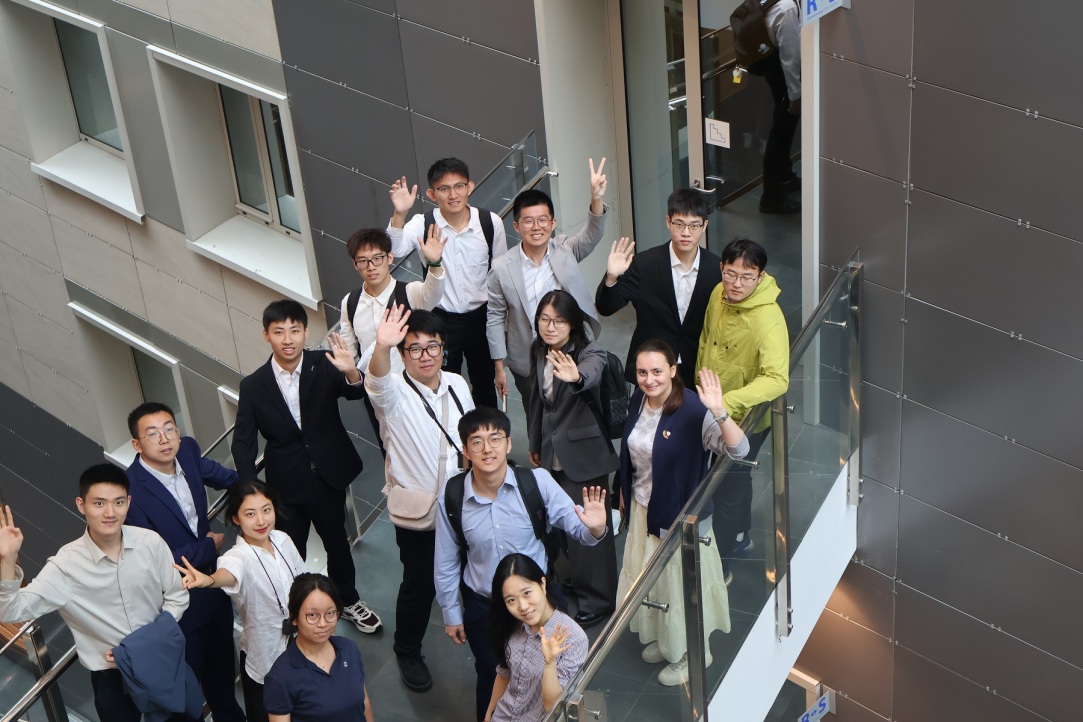
In July 2025, HSE University hosted a group of young scholars from Tsinghua University. During their visit, they attended a lecture on the latest developments in artificial intelligence at the Faculty of Computer Science and held workshops for HSE students as part of Chinese Culture Day.
The young researchers from Tsinghua’s Department of Automation, led by Associate Professor Shang Chao of the same department, are currently travelling the world as part of the Mobius project, visiting universities, research institutions, and corporations. This summer, their itinerary included Moscow and St Petersburg, where they visited HSE University, Bauman Moscow State Technical University, ITMO University, Sber, Kaspersky Lab, and the Russian branch of Huawei.
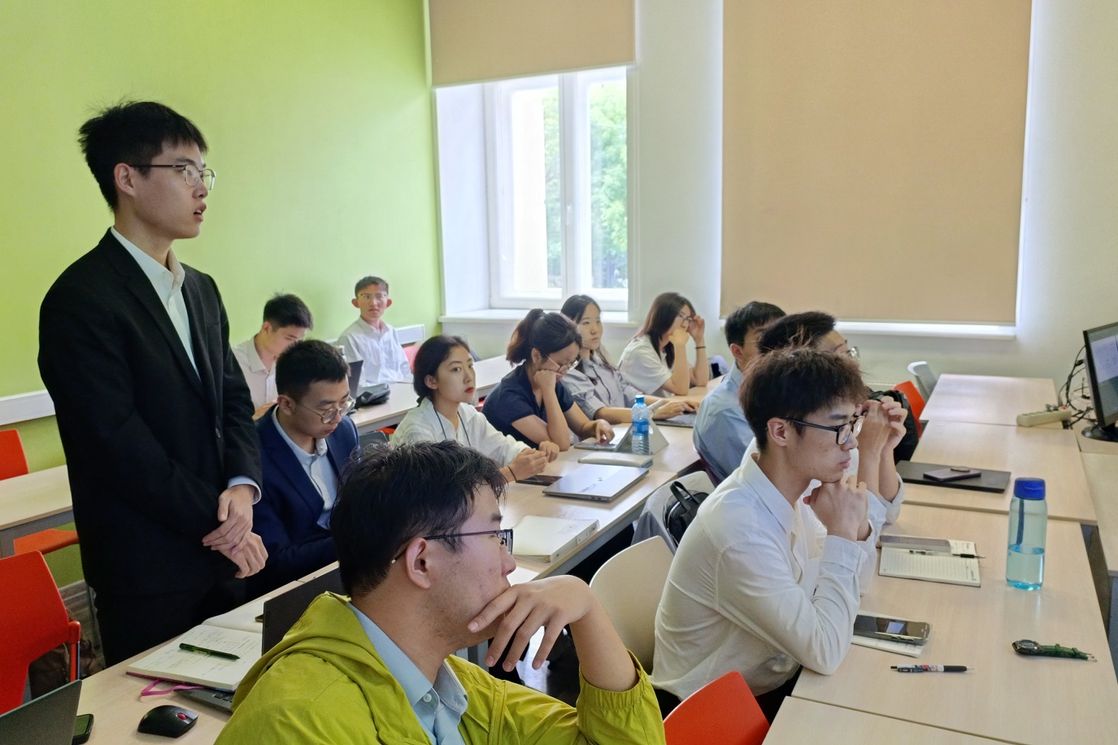
Their visit to HSE was organised by the Centre for International Student Mobility and Educational Projects, part of the University’s Department of Internationalisation. Fourteen students representing the Department of Automation, the Academy of Arts and Design, and the School of Economics and Management at Tsinghua University attended a lecture delivered by Daria Kasyanenko, Senior Lecturer at the Big Data and Information Retrieval School and Academic Supervisor of the Data Engineering programme. They learned about the application of AI tools in teaching at the Faculty of Computer Science and within the HSE AI Research Centre.


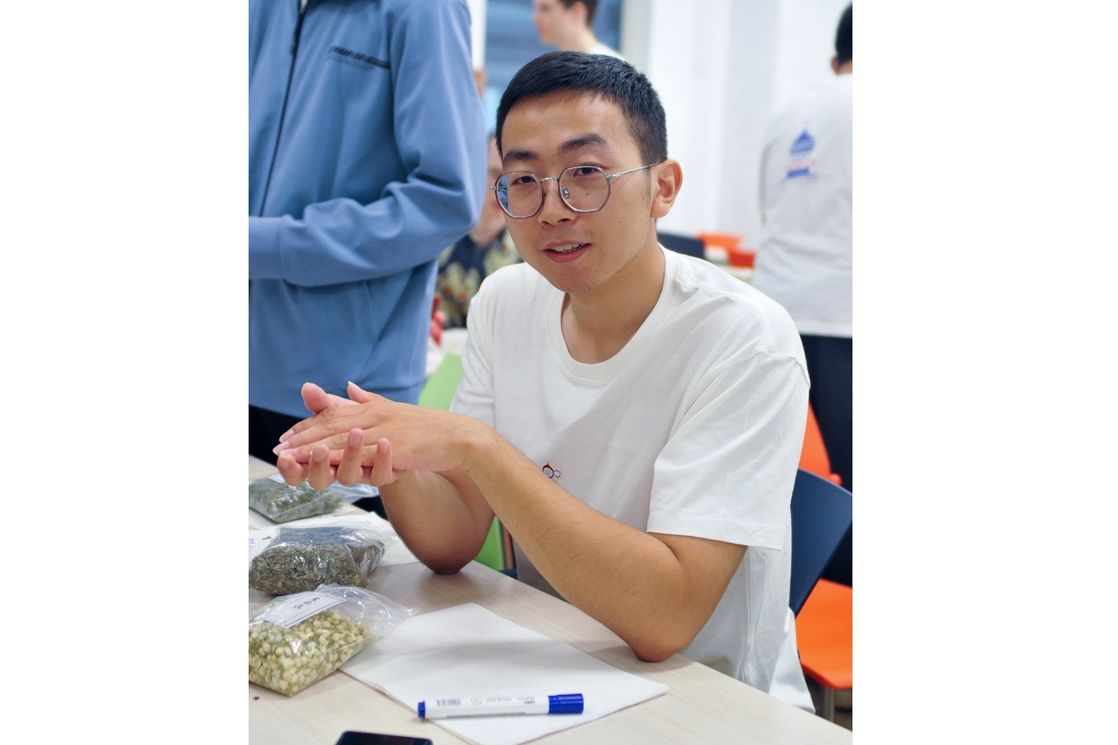
Tsinghua students also hosted a Chinese Culture Day at HSE, featuring workshops, a traditional tea ceremony, and various refreshments. HSE students attended the event and had the opportunity to try their hand at fan painting, making aromatic sachets, sugar painting, and practising their Mandarin language skills.
Peng Ziyi, team lead, student at the Department of Automation, Tsinghua University

— The presentation on the Faculty of Computer Science and the lecture on the application of AI in education were truly insightful. They gave our team a deeper understanding of how technology is shaping the future of education. The campus tour that followed was another highlight, offering us a glimpse into the dynamic academic environment of HSE. Our team was particularly impressed by the innovative approaches and dedication of both the teachers and students.
On Chinese Culture Day, July 24th, it was a pleasure to see HSE students so enthusiastic and engaged with Chinese culture. We were especially pleased to meet students with a genuine interest, making the event even more meaningful. We are grateful to the Centre for International Student Mobility and Educational Projects for organising the visit and inviting the students. We were inspired by the vibrant academic atmosphere, the warm hospitality, and the keen interest in Chinese culture shown by HSE students. We would love to continue our studies here in the future.
Liu Shuran, postgraduate student at Tsinghua University
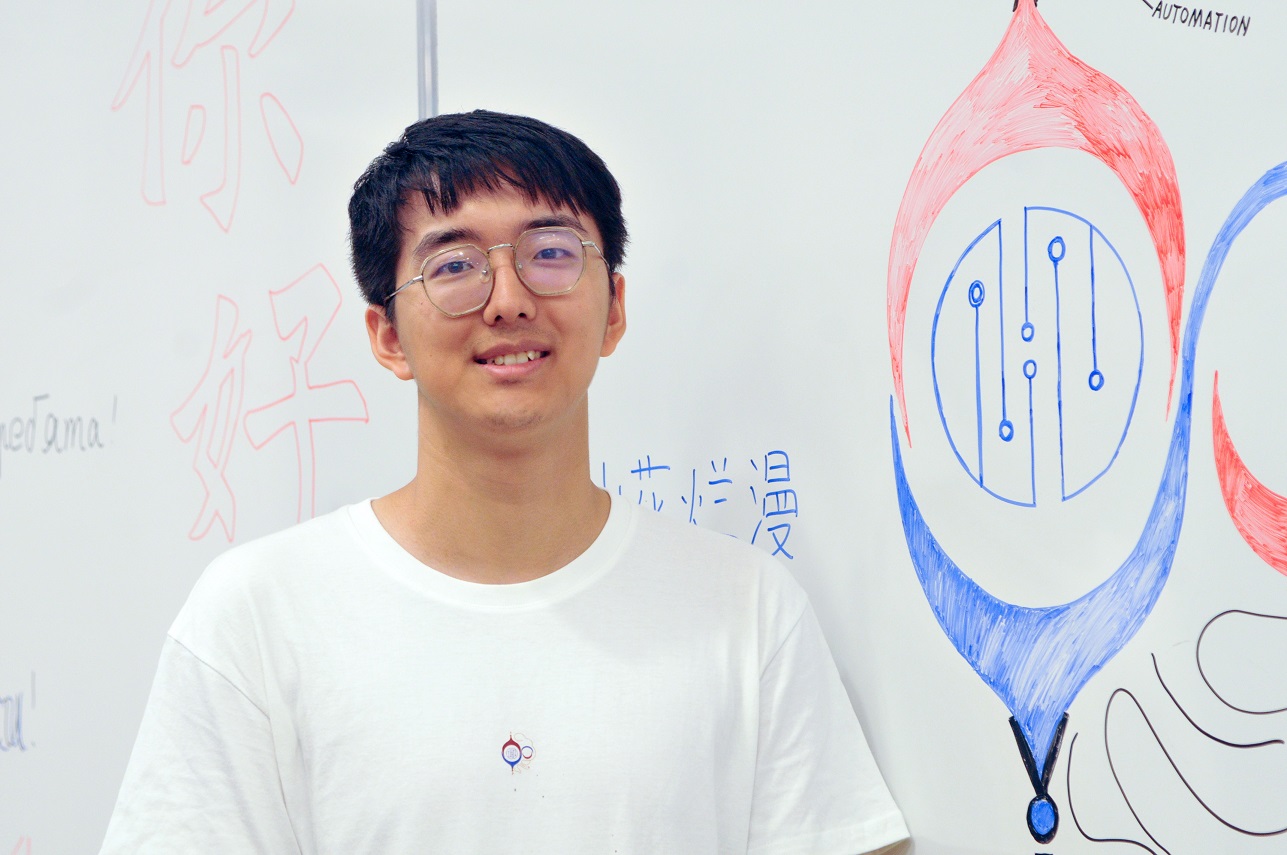
— We saw many impressive sights in Moscow and St Petersburg, but the most valuable aspect of our trip was undoubtedly the information we gained from first-hand sources while visiting universities and companies. We attended presentations on the practical applications of AI in various sectors and participated in discussions with experts. Each of us took away something useful for our own research projects.
I would particularly like to highlight the lecture by Daria Kasyanenko from HSE University. I was amazed to learn how significant a role digital literacy plays in the educational process at HSE. Students from all disciplines learn how to effectively use AI, code, and analyse data. I believe this is something Chinese universities should take note of.
Tela Meng, student at the Department of Automation, Tsinghua University

— Moscow offers a fascinating mix of history and modernity, and the metro is like an art museum!
I am glad that during our trip we had the opportunity to introduce local people to Chinese culture. In addition to the Chinese Culture Day at HSE, we also organised an outdoor event on Arbat Street. To our surprise, passers-by showed great interest—everyone wanted to make their own fan or aromatic sachet.
At HSE University, I really enjoyed the international atmosphere, and I was pleasantly surprised by how confidently and correctly the students spoke Chinese. Well done!
Jing Haoda, student at the Department of Automation, Tsinghua University
— I studied Russian for one semester in China, and this trip gave me a chance to test my knowledge in real life, helping my classmates deal with everyday matters in Russia as best I could. While my Russian is still not very strong, this trip has motivated me to continue learning. I also translated signs and labels into Russian for our cultural event. When I return to Russia, and I hope to do so more than once, I want to be able to communicate freely with everyone here.
Of all the organisations we visited, I would especially like to mention Kaspersky Lab. In large Chinese tech companies, it is common to follow the 996 schedule—9 am to 9 pm, six days a week. It was interesting to learn that Kaspersky Lab’s corporate culture allows employees to maintain a healthy work-life balance.
Sofia Tarasova, third-year student on the double degree programme between HSE University and Kyung Hee University ‘Economics and Politics in Asia’
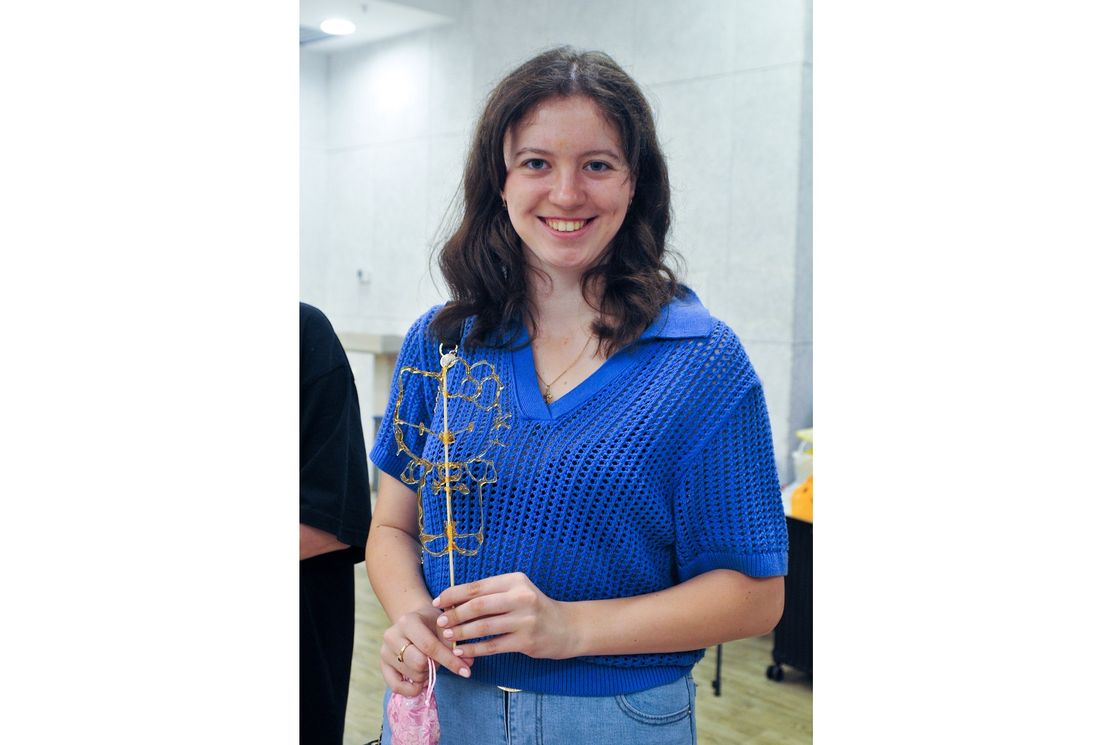
— I attended the Chinese Culture Day event organised by the students from Tsinghua. They were so friendly and cheerful that time seemed to fly by. It was great to practise my Chinese with native speakers in such a natural, relaxed setting, and perhaps even become friends. I really hope there will be more events like this at HSE in the future.
My favourite part was making a fan. I had always wanted one since childhood, but have never had a chance to try. Now I will keep it at home as a memento of the day.

Weidali Senotrusov, Head of the HSE Chinese Club
— We were delighted to welcome the students and postgraduates from Tsinghua University to HSE. It was wonderful to see students come together under one roof—those who had achieved top marks in their Gaokao or Unified State Exam to enter their respective universities—sharing their experiences and exchanging impressions. The Tsinghua students were especially enthusiastic about their visit to VDNH and, in particular, the Museum of Cosmonautics. They really enjoyed Moscow and some even began to seriously consider coming to HSE as academic exchange students.
Moreover, the Tsinghua students unanimously praised the very high level of Chinese among HSE’s Asian Studies students—a clear sign of their strong linguistic training. This is a very good indicator showing the high quality of Chinese language education at HSE.


See also:

‘There’s a Big Practical Component in My Programme—That’s Especially Important in This Field’
Zou Jiaxu moved to Moscow from Heihe, China, at a young age. Having finished high school in Moscow, she decided to enrol in the Bachelor’s in Media Communications at the Institute of Media of the HSE Faculty of Creative Industries. Now in her second year of studies, Zou talked to the HSE News Service about the opportunities for practical experience available to HSE students, her volunteering and extracurricular activities, why learning Russian is a never-ending process, and the importance of making friends wherever you go.
HSE and Karakalpak State University Agree on Cooperation
HSE University and Berdakh Karakalpak State University have signed a cooperation agreement to strengthen collaboration in research, education, and innovation. Through the expertise of its Сentre of Digital Technologies for Nature-Based Solutions of the Carbon Measurement Supersites Programme, HSE University will work with colleagues from Uzbekistan to assess climate risks and evaluate opportunities for implementing nature-based climate projects in the region. The partners also plan to develop joint research and educational programmes.
International Dialogue and New Approaches: Highlights from Fudan University’s Summer School
At the beginning of July 2026, students from the HSE Faculty of World Economy and International Affairs took part in the Summer School on International Relations organised by Fudan University (China), one of the leading international educational programmes in this field. Over the course of two weeks, they explored contemporary approaches to global governance and the development of the Global South, attended lectures by renowned scholars from around the world, and discussed current international issues with fellow students from across the globe.
‘We Are Always Open to Collaboration, and China Is One of Our Most Important Partners’
From July 20 to 27, 2026, the HSE Faculty of Urban and Regional Development (FURD) is hosting a summer school for students from Tianjin University dedicated to the preservation of cultural heritage. Throughout the week, participants have attended lectures, practical workshops, and field visits to some of Moscow’s most iconic heritage sites. The summer school is the faculty’s first international programme of this kind and forms part of the expanding educational cooperation between Russia and China.
Physicists at HSE University and FIAN Discover Way to 'Photograph' Sound for Testing Materials Used in 6G Communications
Researchers at HSE University, in collaboration with colleagues from the Lebedev Physical Institute of the Russian Academy of Sciences (FIAN), have developed a method for rapidly determining how firmly a film is bonded to a substrate. This is important for the creation of ultrahigh-frequency acoustic filters, which are key components of next-generation 5G and 6G communications. For the first time, researchers have succeeded in measuring the lateral rigidity of the bond between a two-dimensional material film and a substrate in this way. The study results have been published in Applied Physics Letters.
HSE University and Peking University Expand Their Partnership
Peking University President Gao Song paid his first visit to HSE University as part of his first overseas trip since taking office in May 2026. The main purpose of the talks was to consolidate existing areas of cooperation and expand joint projects between HSE University and Peking University within the framework of the Cross Years of Russia–China Cooperation in Education (2026–2027).
Biologists Discover Unique Properties of MiR-93-5p MicroRNA in Prostate Cancer
Researchers at the International Laboratory of Microphysiological Systems of the HSE Faculty of Biology and Biotechnology investigated how different isoforms of the same microRNA influence gene function in prostate adenocarcinoma. The study found that in some cases, microRNAs can reinforce each other’s effects by targeting and suppressing the same genes. This finding offers a fresh perspective on the molecular mechanisms underlying tumour development and on the search for disease biomarkers. The results have been published in PeerJ.
Three Weeks in Shanghai: HSE University–St Petersburg Students Study International Politics at Leading Chinese University
Students of the Bachelor's programme 'Political Science and World Politics' at HSE University–St Petersburg participated in the Summer School at Fudan University in Shanghai. For three weeks, they studied world geopolitics and Chinese diplomatic strategies.
Researchers Discover How Spelling Errors Slow Down Reading in Russian
Psycholinguists from the Centre for Language and Brain at HSE University–St Petersburg have shown that words that are frequently misspelled are processed more slowly by readers, even when presented with the correct spelling. The researchers confirmed this effect for the first time using Russian-language materials and found that response speed is most strongly linked to how confidently individuals can distinguish the correct spelling of a word from an incorrect one. The study has been published in The Mental Lexicon.
HSE Economists Reveal How the Wage Gap Emerges Among Vocational School Graduates
HSE researchers examined the careers of 600,000 graduates of Russian secondary vocational education programmes and found that at the start of their careers, the gender wage gap reaches 23%, doubling after three years. This disparity is largely due to male and female students choosing different occupations when enrolling in vocational schools. These were the findings made by Sergey Roshchin, Natalya Yemelina, and Ksenia Rozhkova from of the HSE Faculty of Economic Sciences. The article has been published in Educational Studies.